


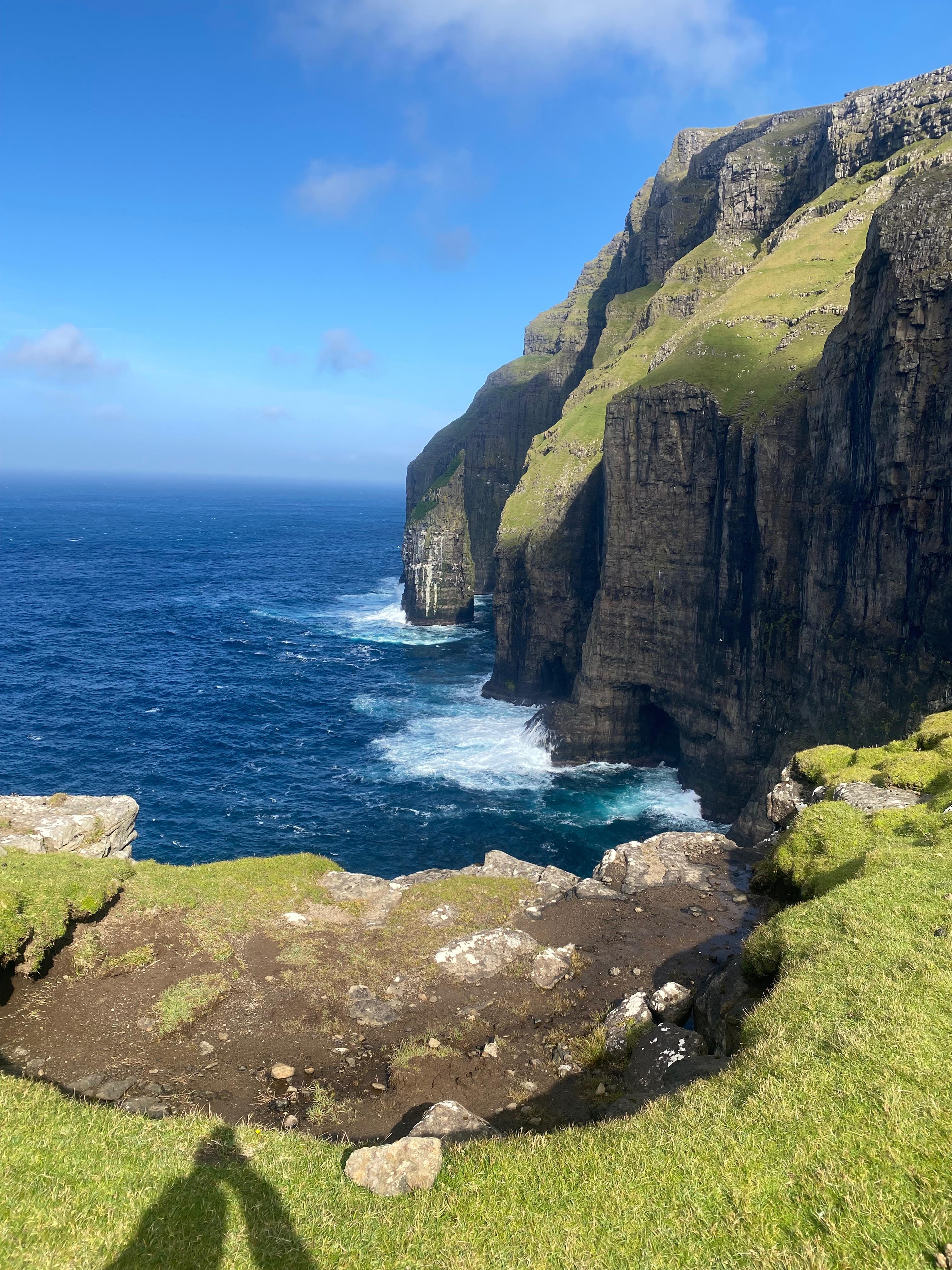
I first heard about the Faroe Islands in 2007. The Italian national team played a European qualifying match in the capital, Tórshavn, in the middle of summer. Despite it being June, it looked like late autumn. The air was damp and dense with fog. The stadium was minuscule and the Italian players — reigning World Champions at the time — wore long sleeves as they lined up against a team of unheralded amateurs from the North Atlantic. The Italians barely pipped by the collection of part-time fishermen and sheep farmers by a scoreline of 1-2. The reaction to the Faroese consolation goal was an unforgettable concoction of bewilderment and pure childhood joy.
Since then, that archipelago of eighteen islands has captured the world’s imagination. Footballing success may not have followed, but National Geographic covers featuring some of the most stunning landscapes in the Northern Hemisphere, James Bond set pieces and a burgeoning fine-dining scene have made this country a bucket list destination.
It remains relatively under-hyped as a tourist destination when compared to other Nordic nature hotspots like Iceland or Lapland while also remaining out of the political limelight, unlike fellow Danish territory Greenland. Most people (including, probably, many Danes) would struggle to place it on a map. See the images of the luscious green cliffs overlooking the Atlantic waves punctuated by puffins, though, and you’ll be looking for a flight connection there in seconds.
A couple of weeks ago, GlobeFoxing sent a client expedition to the Faroes and I thought it would be cool to share their experience with you. But first, a few basic facts to get your bearings.
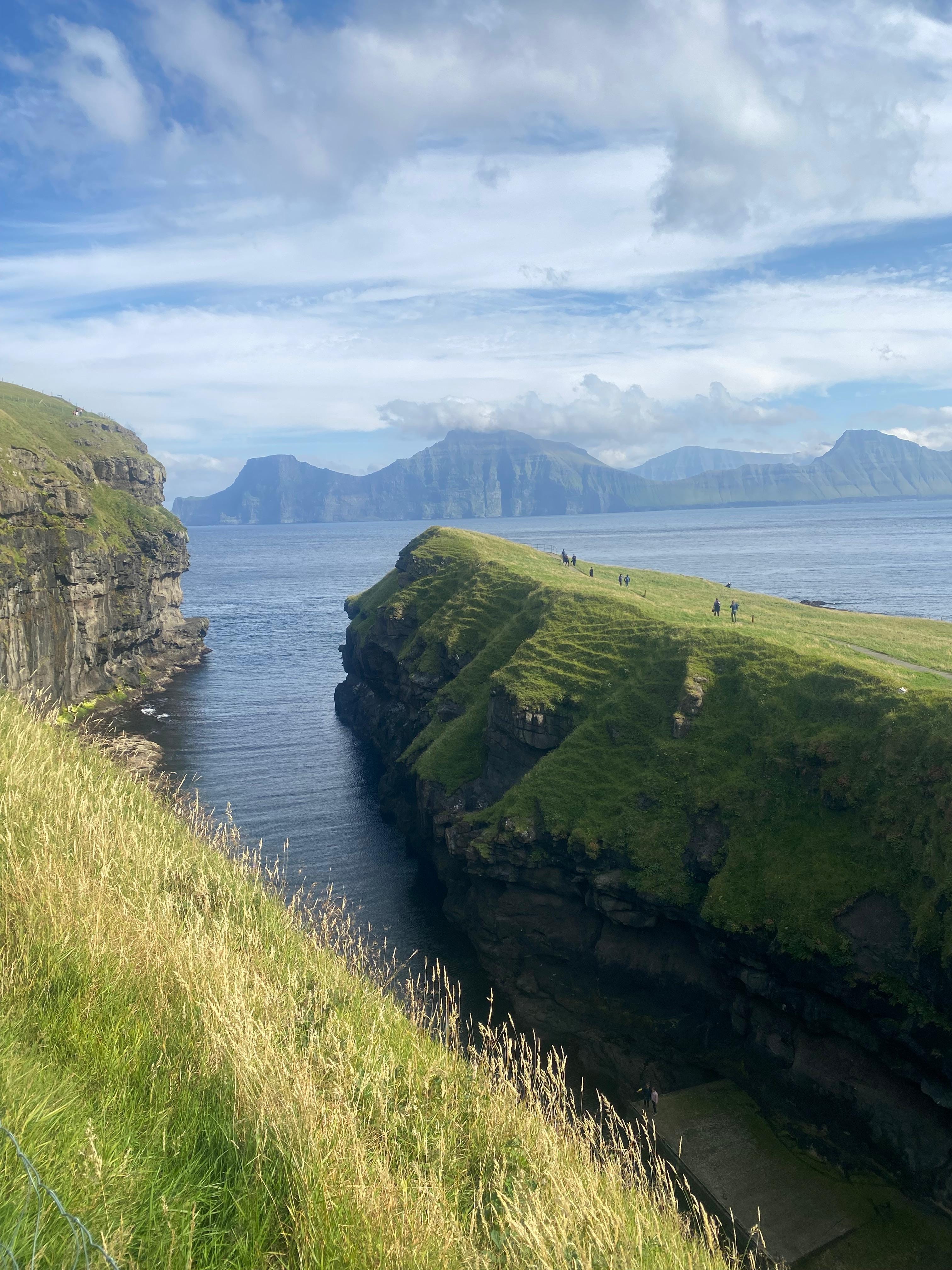
Føroyar at a glance
Location & Geography: Archipelago of 18 volcanic islands in the North Atlantic, about 320 km (200 miles) north-northwest of Scotland and roughly midway between Iceland and Norway. Land area is 1,399 km² (540 sq miles), 17 of the 18 islands inhabited with no point in the country more than 5 km (3 miles) from the sea.
Population & Society: Population ~55,200, with more than 40% of it in the capital, Tórshavn. Descended from Norse and Gaelic settlers and homogeneous by European standards, though recent growth has come overwhelmingly from non-Danish immigration rather than internal increase. Religiously near-uniform: 76.1% belong to the Evangelical Lutheran Fólkakirkjan.
Languages: Faroese is the principal language under the 1948 Home Rule Act. Danish is taught thoroughly in schools and its use alongside Faroese in public affairs is permitted. In practice, both Danish and English are compulsory in school and English fluency is increasingly valued among the young. Travelers will find English spoken confidently almost everywhere.
Status & Entry: A self-governing nation within the Kingdom of Denmark, with its own parliament, the Løgting, and King Frederik X as head of state. Denmark pays an annual block grant to fund around one-tenth of the national budget.
Five days in late August
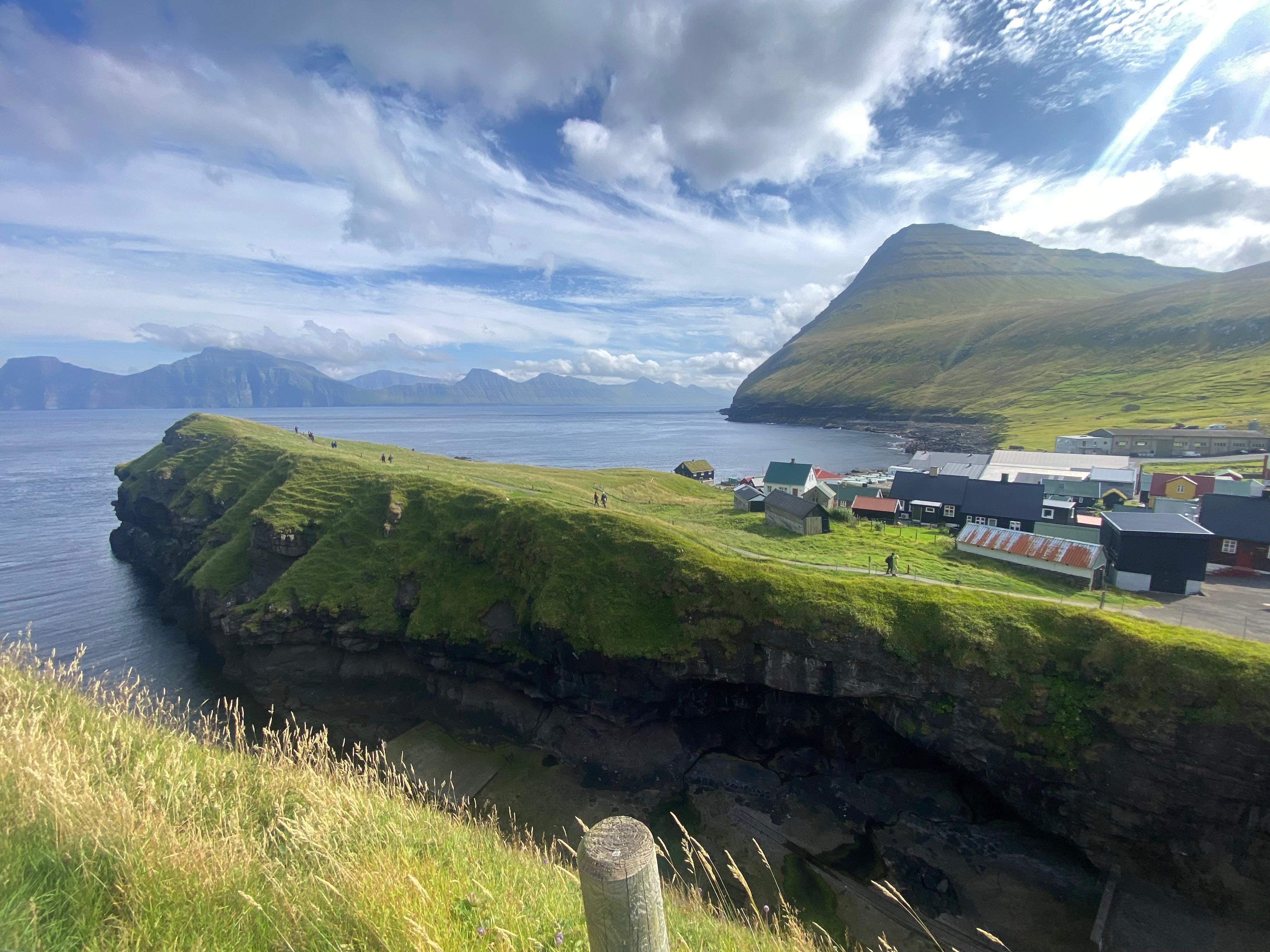
In our clients’ own words:
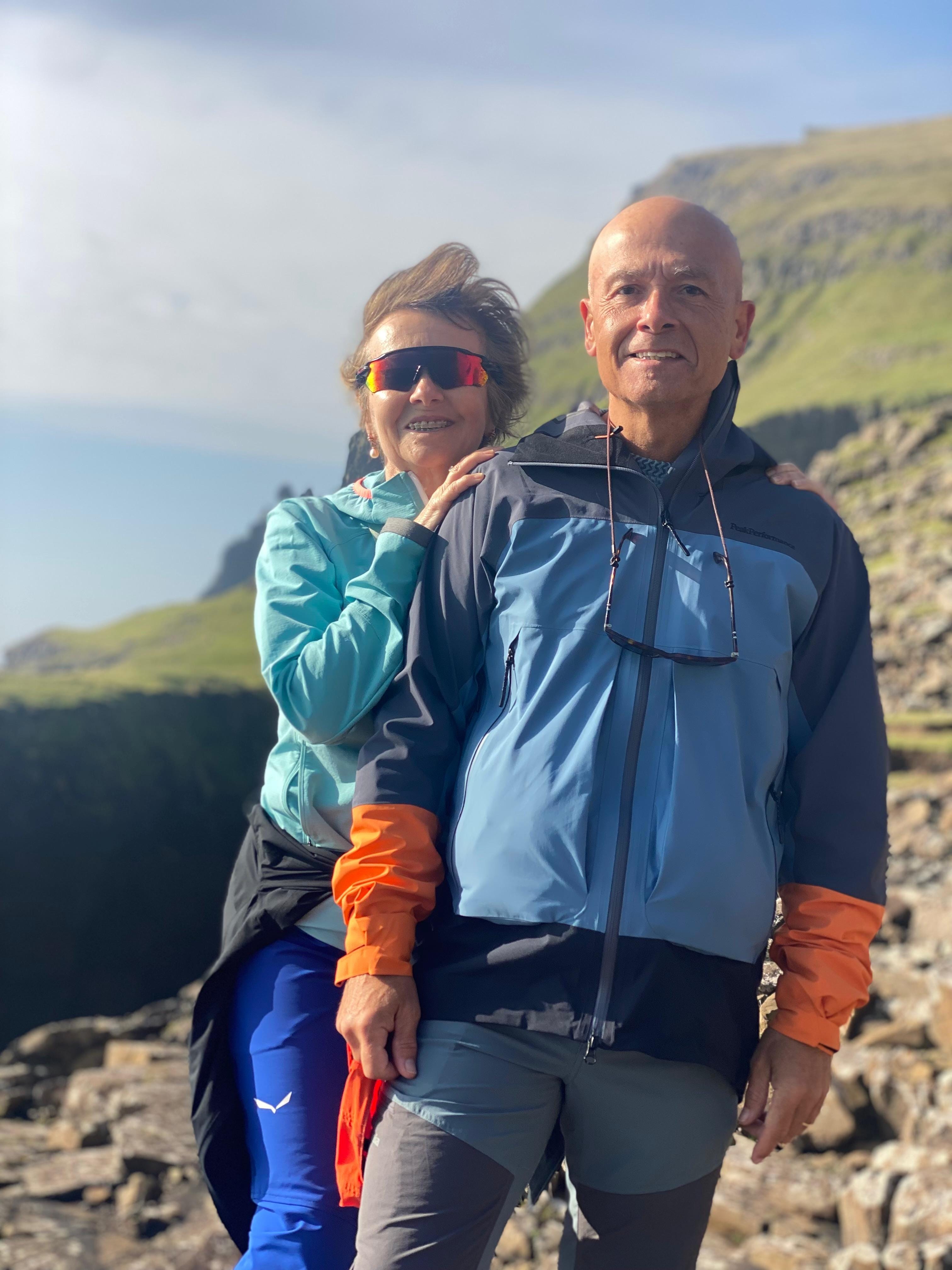
We booked a coolcation for the landscape and ended up wanting to return for the people. The nature delivered exactly what the photographs promise. The welcome was the part we couldn’t have foretold.
It started before we landed. Atlantic Airways, the flag carrier, pushed back on time to the minute from our Copenhagen gate, staffed the cabin with people who were friendly rather than trained to seem friendly, and included the luggage in the fare, which in 2026 counts as a minor act of civil disobedience.
Hotel Føroyar was an interesting piece of modern architecture, set into a hillside above Tórshavn and angled so that the bay did most of the decorating. The rooms earn their view. Breakfast is pleasant, the staff is genuinely welcoming, and there is a sauna, massage and yoga, providing everything required before a long hike and everything required afterward.
The days themselves belonged to our private guides, and that is where the trip stopped being a holiday and started being an education. They knew which cliff path would be walkable that morning and which one would not — a very valuable skill on these islands.
We were told to expect four seasons in an afternoon and that turned our to be a pretty accurate forecast. Fog came up off the water and swallowed a valley we had been photographing ten minutes earlier, then cleared into the kind of low gold light that makes everyone go quiet. Our guides read all of it in advance and rerouted us without ceremony, which is how we ended up watching puffins on a headland while the weather did something dramatic behind us.
They also knew everyone. One of our guides turned out to be cousins with the head of the tour operator who had put the whole thing together, who is himself a sheep farmer, as a remarkable proportion of the country appears to be. Over five days we watched hoteliers and restaurateurs greet each other by first name across three islands, and it became clear this is not a destination with a hospitality industry so much as an extended family that happens to have restaurants in it.


We ate excellently twice, at Áarstova and at ROKS, and arrived at both quietly skeptical that cooking of that standard could hold up this far into the North Atlantic. We left corrected on both counts.
It would be unfair, though, to let the tasting menus take the credit. The best hour of the trip happened in a small café on Suðuroy, where the staff was warm, the food and drinks were excellent, and the shop attached to it selling handmade wool sweaters was cool enough that we would have made the ferry crossing for the shop alone. The islands gave us two serious dinners and then quietly outdid them with a coffee and a sandwich.
— Michele Volpi & Angelica Della Grazia
5 day expedition to the Faroe Islands itinerary:
Day 1: Flight from CPH to FAE (2 hours). Transfer to Hotel Føroyar. Dinner at Áarstova.
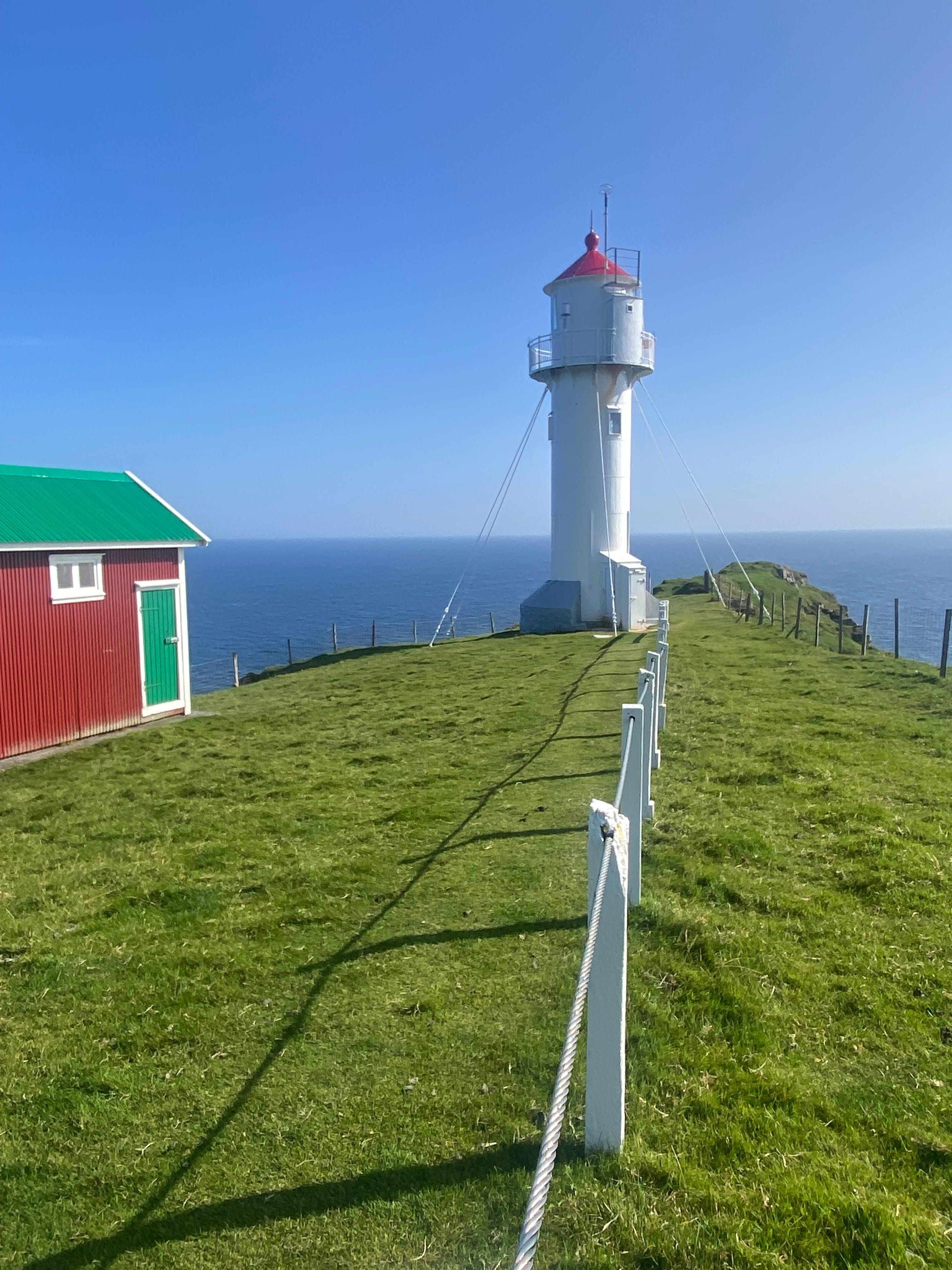
Day 2: Historic city walk in Tórshavn. Afternoon and evening exploring the Mykines bird cliffs, puffins and lighthouse viewing (with backup plan in case of high seas or inclement weather — not uncommong in these parts). Dinner back at the hotel.
Day 3: Full-day tour to visit Suðuroy and the southernmost islands. They are perhaps the most spectacular islands to see.
Day 4: Half-day tour to visit the must see villages of Eysturoy and Streymoy. Afternoon at leisure to unwind. Dinner at ROKS.
Day 5: Morning at leisure and departure to CPH from FAE.
GlobeFoxers stayed at Hotel Føroyar in Tórshavn, flying in and out of Copenhagen. Trip organized by GlobeFoxing in collaboration with our local partners HeimdalTours.


Plan your Faroese adventure with GlobeFoxing
At GlobeFoxing, we are all about travel done differently. We don’t just write about the world of travel, we make it happen. If you would like GlobeFoxing to craft a trip catered specifically to your needs, and avoid the classic pitfalls of traveling abroad, then just get in touch here!

It was a great trip Nick. Thanks for organizing!
Great trip report. It's not surprising to hear that many locals know each other on a first-name basis.