
The Five-Star System Is Broken. So I Built Something Better.
The new GlobeFoxing Five Fox standard that measures service, sleep, food, ease, and character exactly how travelers experience them.

This is part two of our series on what makes a five-star hotel, you can read part one here.

In the last edition of GlobeFoxing, I made my case for why the current five-star rating system is obsolete or, at best, in need of a rethink. In doing so, I left plenty of questions unanswered when it came to providing an alternative.
That is why I am glad to present part two of our series on what makes a five-star hotel and introduce the GlobeFoxing Five Fox framework for evaluating hotels.
In this article, I will present you with the five categories that should be weighed up when deciding where to stay. The idea is that the Five Fox ranking will help you find the right hotel for what you value.
Service
Your chances of returning to a hotel will often hinge very much on the human element. How welcome do the staff make you feel upon arrival? Do they do their best to be understanding of the fact that you’ve taken a red-eye flight and desperately need a shower, even though it’s still officially too early to check in? Or do they make you feel like an idiot who can’t read the fine print?
You can already understand the caliber of the service before you set foot on a property. One simple way of gaging this is to check for a pre-arrival email that also offers support with airport transfers or parking (this is great service and can also be good business for the hotel). The less scripted and more personalized these outreaches are, the better. Of course, a five-hundred-room property cannot be expected to follow up with hand-written notes for every incoming guest, but a total lack of personalized service will point to a very specific issue: staffing.
The first domino in hotels with service issues — just like with restaurants or any other service-related business — is their staffing ratio. A high staff to room ratio is usually around 2.5 staff members per room and above 3 for ultra-luxury experiences (this should also provide an indication for the cost structure of what we referred to as seven-star properties in our last article). There is also ample evidence to show that lower category hotels should target at least 1.5 staff per room.
Crucially, the focus should be on the ratio, not on the hotel’s capacity. Hoteliers should never have to tell guests “We are fully booked, that’s why things are slow this week.” They should either hire more or downsize.
If you have ever vacationed somewhere where things feel slow, inconsistent and overly reactive, chances are there are too few employees at the property and they are swamped catching up on yesterday’s problems.
This is where the cracks begin to show — unserviced rooms, thirty-minute coffee waits, a mysteriously different standard of service depending on the hour, and your concerns immediately catapulted to upper management because no one on the floor is able to help.
Which leads to the final aspect of great hotel service: staff empowerment. An escalation to the GM should be just that: an escalation, an exception, a rarity. You should only see the GM when they make their rounds to tell you what a valued guest you are. Day-to-day issues should be handled by the competent frontline staff on hand. If they have not been trained to do so or do not feel comfortable doing so, the hotel has let both them and you down.
How to get a Fox for service: Upfront communication, welcoming personnel, correctly staffed, consistency and proactivity in service.
Sleep
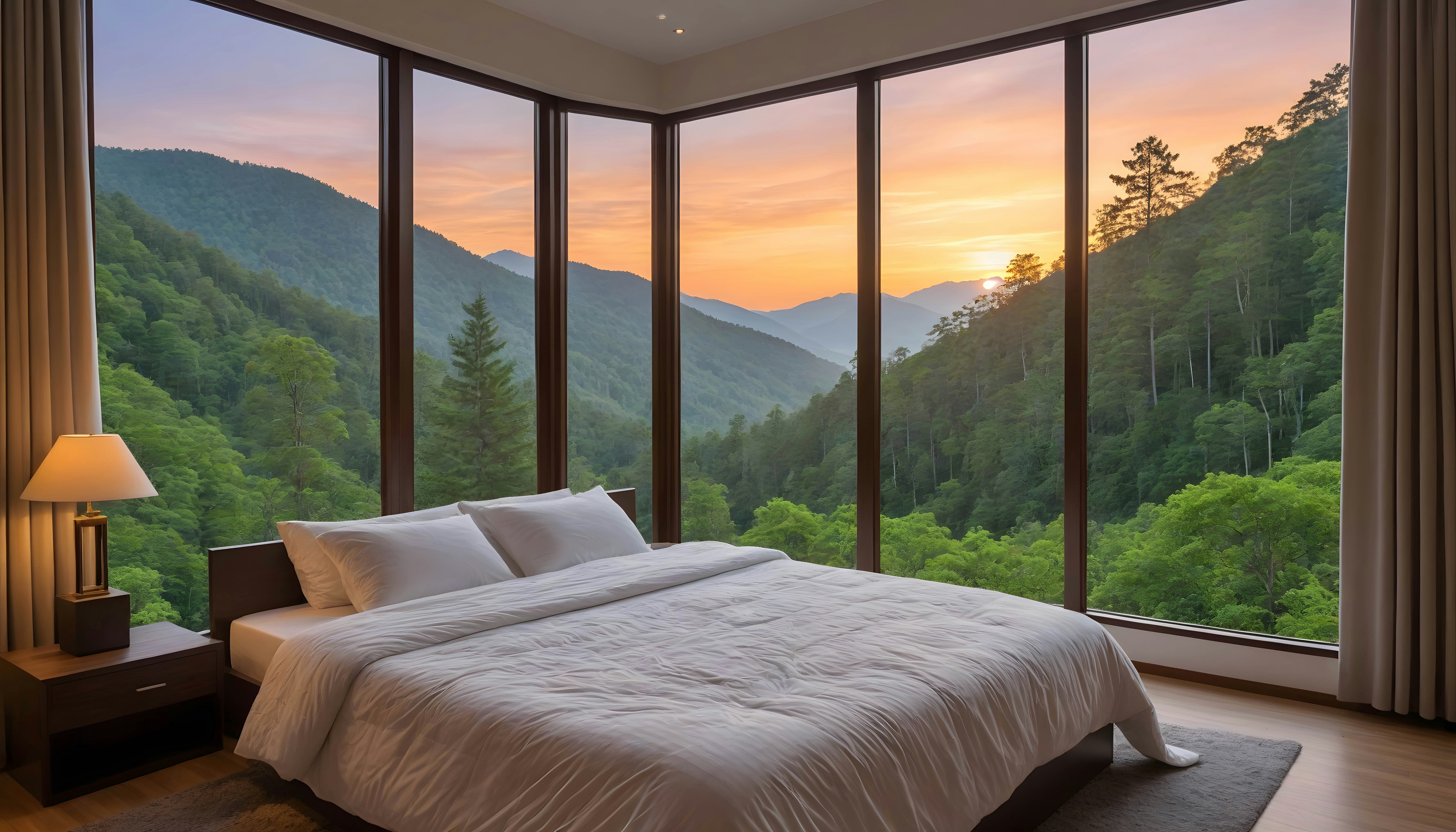
Go scroll through travel Instagram and tell me how many influencers are actually commenting on the technical nitty-gritty details of how well-equipped a room is to sleep in. This is a surprisingly overlooked area when evaluating the quality of a property.
If you wake up with a sore back the next day because the mattress was too stiff or with a cold because the air conditioning was blowing directly on your neck all night, then what is the point? Will it then really matter how good the restaurant or exercise facilities are?
There is nothing that frustrates me more when getting ready to sleep in a hotel room than spending an extra thirty minutes trying to figure out how to turn off the annoying bathroom light, only to have to place the last remaining towel on the floor to block it out. You shouldn’t need an electrical engineering degree to sleep in a hotel.
Okay, maybe there are a few things that frustrate me more: bad pillows, curtains that don’t blackout the sun and result in you watching a Scandinavian summer sunrise at three in the morning and hearing drunk neighbors return in the middle of the night.
Lightproof and soundproof rooms are a must. If I need earplugs and a mask to sleep in a high-end hotel, I should get my money back.
How to get a Fox for sleep: Comfortable beds for people of all preferences, dark rooms, easy lighting and temperature control settings, and noise isolation.
Food
This is a GlobeFoxing staple. As my wife often often reminds me, I’m known to put on a pouty face for the duration of a trip if the food is subpar. Having said that, even if you don’t live to eat, there should be some basic universal standards for hotel food and beverages.
A quality breakfast with actual coffee — not the instant powder that sometimes doesn’t dissolve and will have someone performing a Heimlich on you — should be mandatory. This is the first important signal guests get about the quality of the establishment. I have had multiple clients reach out to me saying their hotel stays were great, but they weren’t crazy about the breakfast offering, so they wouldn’t return.
Whether buffet or à la carte, it should be edible, hygienically laid out, and, for a bonus point, actually change from day to day. Ideally, if you are staying somewhere for an entire week, you should not need to have the same soggy scrambled eggs with a rubbery turkey sausage and a side of ultra-processed orange juice every single morning.
The good food should not only be limited to the breakfast area. If, for whatever reason, you do not want to venture out of the property one evening, you should be able to eat well at the on-site restaurant. Chances are, it will cost you a kidney to do so, but maybe it will almost be worth it. This rule applies to the room service menu as well. It should not take longer to get food delivered to your room than if you are sitting at the restaurant downstairs.
How to get a Fox for food: Good breakfast with real coffee, other quality dining options and timely room service.
Ease
You should leave a property serenading the staff to the tune of “Smooooooooooth operator….. smooooooooooooth operator!” A stay at a hotel should be relatively easy. This is the category that most rating systems overlook and it’s where guests can feel the most frustration.
You shouldn’t be stuck loitering in the lobby, waiting for someone — anyone — to check you in. A properly staffed reception keeps things flowing at peak times and doesn’t need to keep your passport hostage overnight.
Then, luggage handling should not be chaotic. You should not have to wait twenty minutes for your suitcase to reach your room so that you can finally get rid of that airplane breath.
Once in your room, the layout should be intuitive. A plug socket should be on your nightstand so that you can snooze the alarm on your phone in the morning without tripping over anything. The shower should drain without flooding. Oh, and I should never have to call the reception to ask for more clothes hangers because my wife already called dibs on the only three provided.
Then, amenities should work. I’m always amazed at how many hotels launch shiny new apps, automated checkouts, and other tech “innovations” without confirming they function in the real world first1. People of all generations should feel comfortable booting up the smart TV. The WiFi should be consistently strong throughout the property. There should be enough elevators so you don’t finish digesting your breakfast while waiting to head back up to your room. The gym should not have clunky treadmills from 1998 that you fall off of (been there, done that2).
If you feel at ease during your stay, you will know.
How to get a Fox for ease: Short waiting times, intuitive layouts and amenities that work.
Character

Now let’s say you had a great stay on a property that offered timely service, you slept well, had a solid breakfast every morning and did not have to worry about anything. What will you remember it for? Just like with people, we are looking for personality here. If someone does not have some character or atmosphere about them, will you really opt for that second date?
The character of a property is what makes it stand out and worth returning to. The most obvious way to measure this is to enquire about the number of returning non-business guests. Who is willing to continue paying their own money to go to the same place because it makes them feel something?
This is why I never stay in Hiltons. I have nothing against them and, in fact, admire their brand-building, but they don’t have anything unique about them. A very well-run Hilton could earn Four Foxes but never Five. Each one is the same as the other, whether in Marseille, Bangkok or Tulsa. They lack character.
When delving into the soul of a property, we should ask ourselves if it is rooted in the destination or if it could be anywhere.
Is there a unique atmosphere? Or, to use the parlance of the travel influencers, is it a vibe?
Is there a strategy behind the design? Is there attention to detail within it? And, for GlobeFoxing, does the place have a story behind it and, if not, is it trying to write one?
These are the intangibles that make the difference between Four and Five Foxes. Hotels can be magical places, but that magic comes from intentionality in character.
How to get a Fox for character: Returning guest loyalty, connection to the destination, atmopshere/vibe, intentional design and a story.
These are the five core metrics GlobeFoxing proposes to evaluate hotels on. Out with the stars, in with the Foxes.
The beauty of this system is that a Five Fox rating is not the be-all and end-all. The framework should be used to measure where a hotel stands in relation to what you value in a property, with full transparency.
If, for example, you are one of those people who do not care about what they ingest, then you will find a Fox for food meaningless and you should filter it out. Likewise, if you just need somewhere to crash for a few hours during a lengthy layover, then the sleep Fox should outweigh everything else.
You may also have a place where the service is a bit chaotic, but the food — when it finally arrives — is exquisite and the atmosphere is incredibly positive.
Next time you travel, do away with the stars and look at a hotel through your personalized Fox rating. In the meantime, comment or write in with how you would rank certain hotels according to this formula.
That’s all for this edition of GlobeFoxing! Thanks, as always, for you support in letting the world know about what we’re building here.
Happy travels,
N.V. Foxes
How to find your own Five Fox hotel with GlobeFoxing
At GlobeFoxing, we are all about travel done differently. We don’t just write about the hotels, we cater them to you. If you would like GlobeFoxing to craft a trip tailored specifically to your needs, and avoid the classic pitfalls of traveling, then just fill-out this short form or drop us a note via email and we’ll be in touch!

I’ve had my fair share of rants about useless antiquated objects found in hotel rooms before (you can read a whole article on them here) and do not care about having 87 channels on the TV, but if you provide me with a new digital solution, it should perform its function. Also, stop insisting on steamers and just revert to the iron and board combo, please, I beg you.
Twice, actually. Once in Bolivia and once in Greece.
I seriously love this approach. May I be among the first to volunteer as a Five Fox Reviewer?! :D